Tinkering Studio: Innovation and Hands-on Learning at Northlands Plus
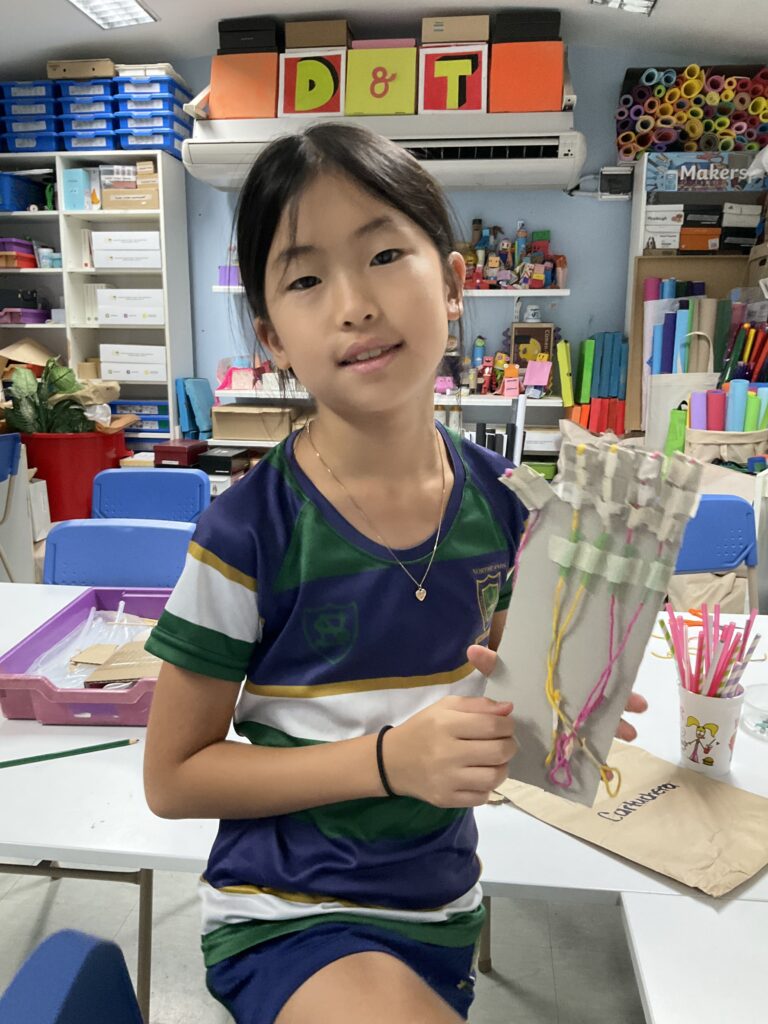
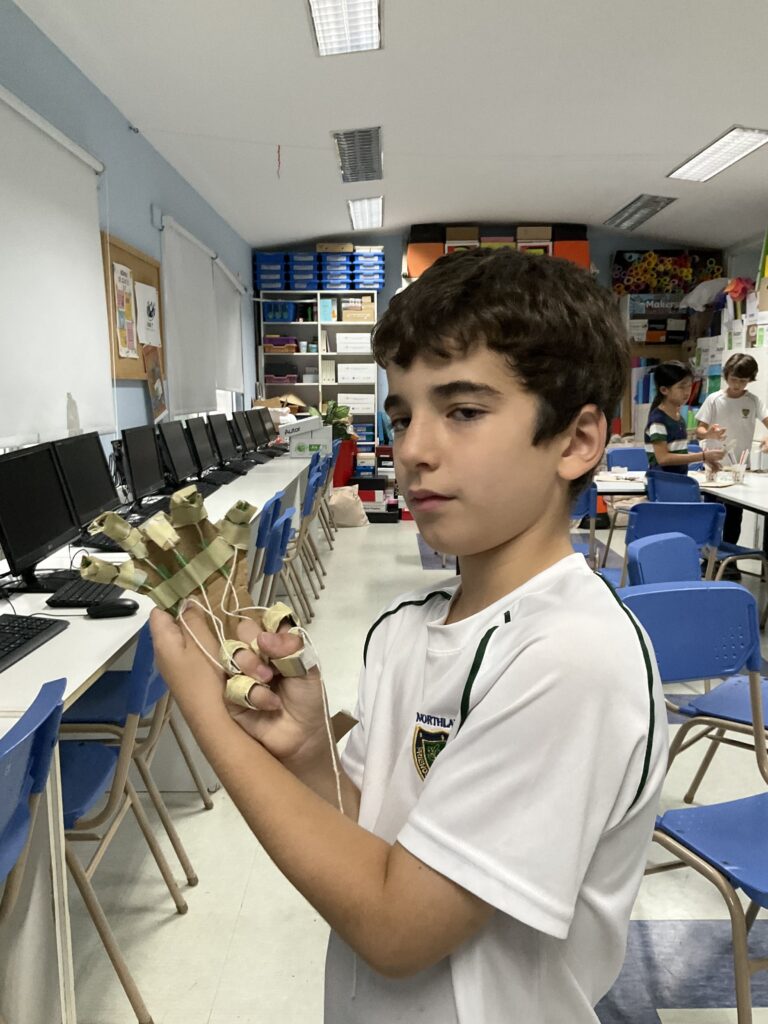
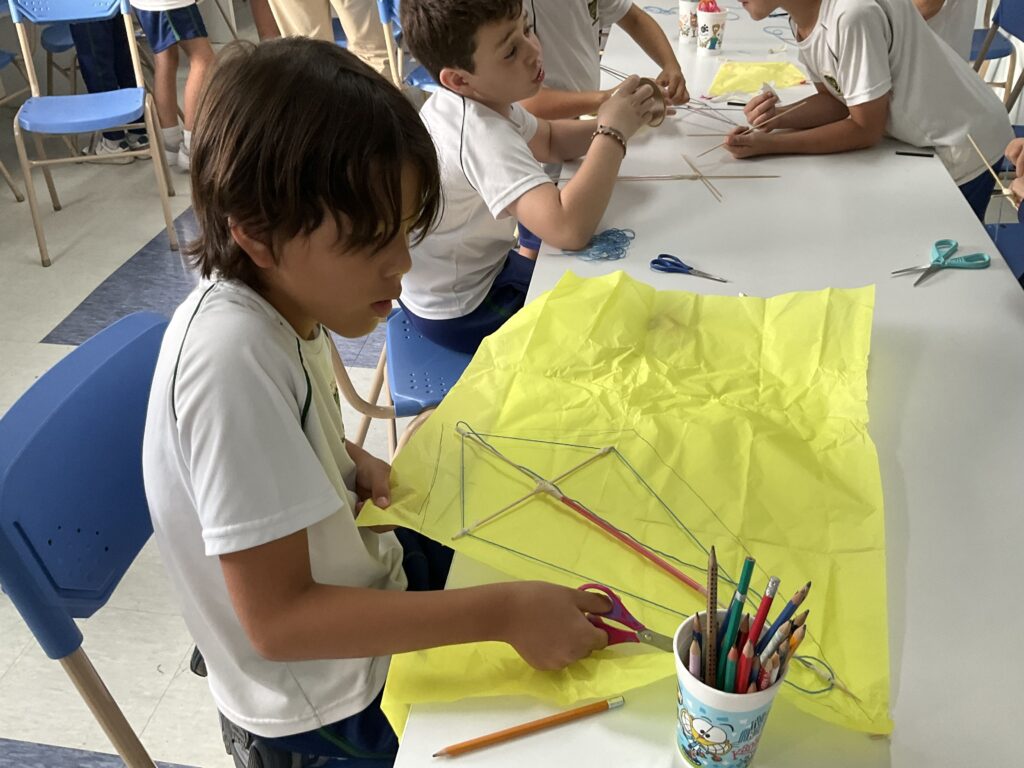
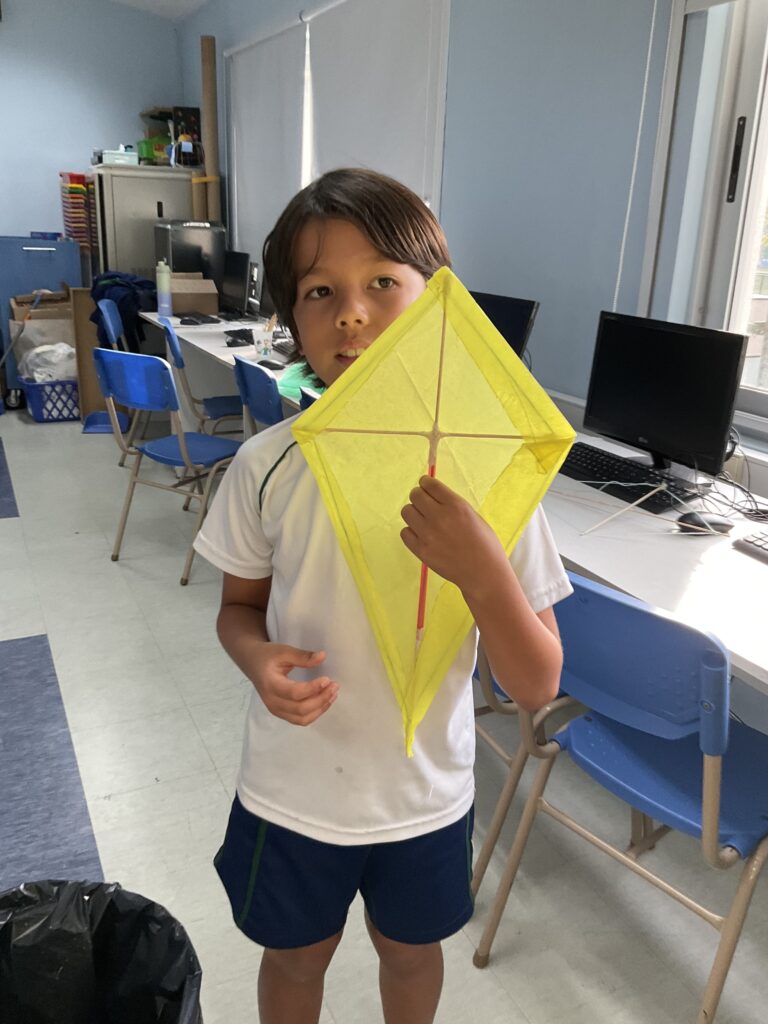
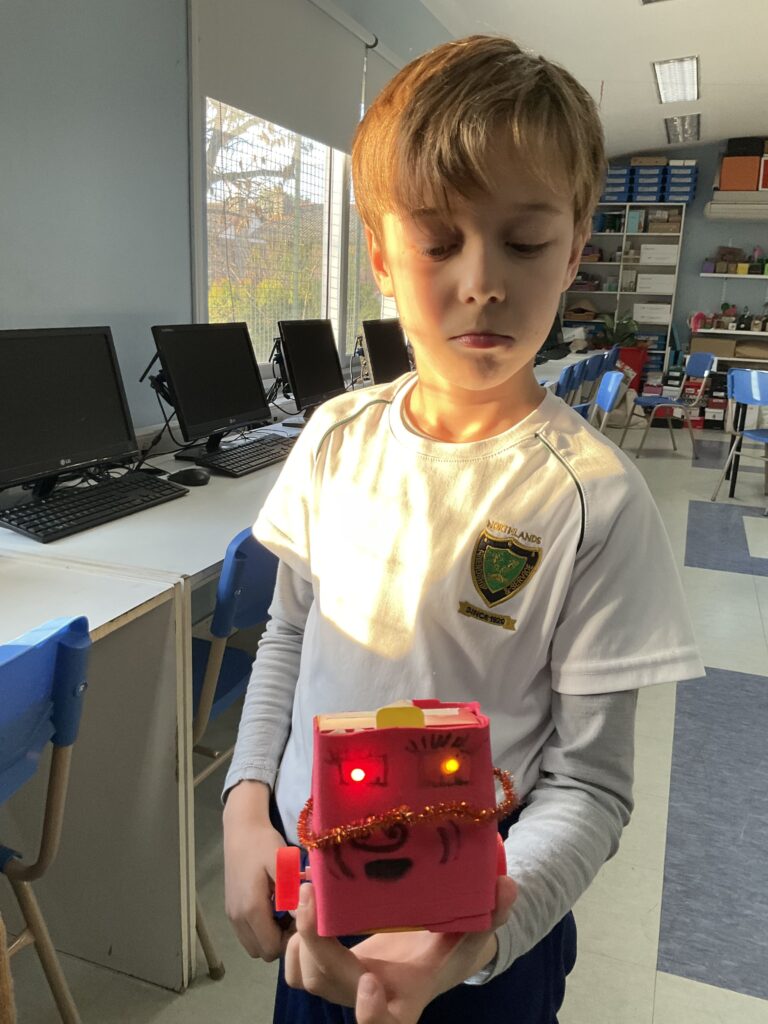
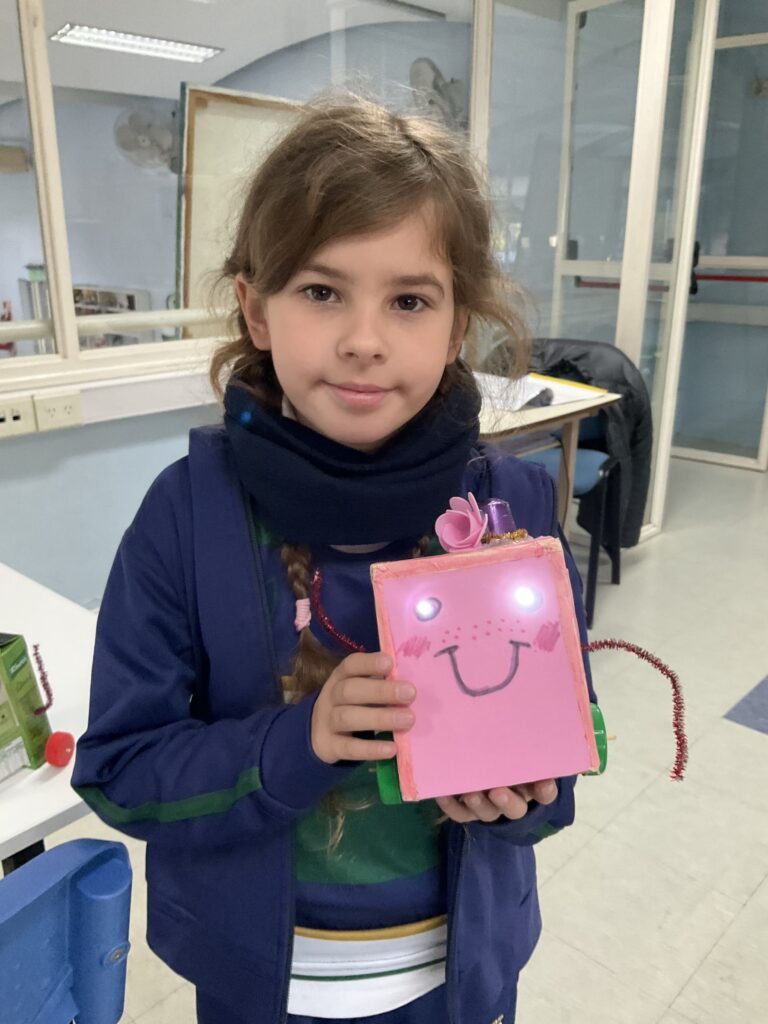
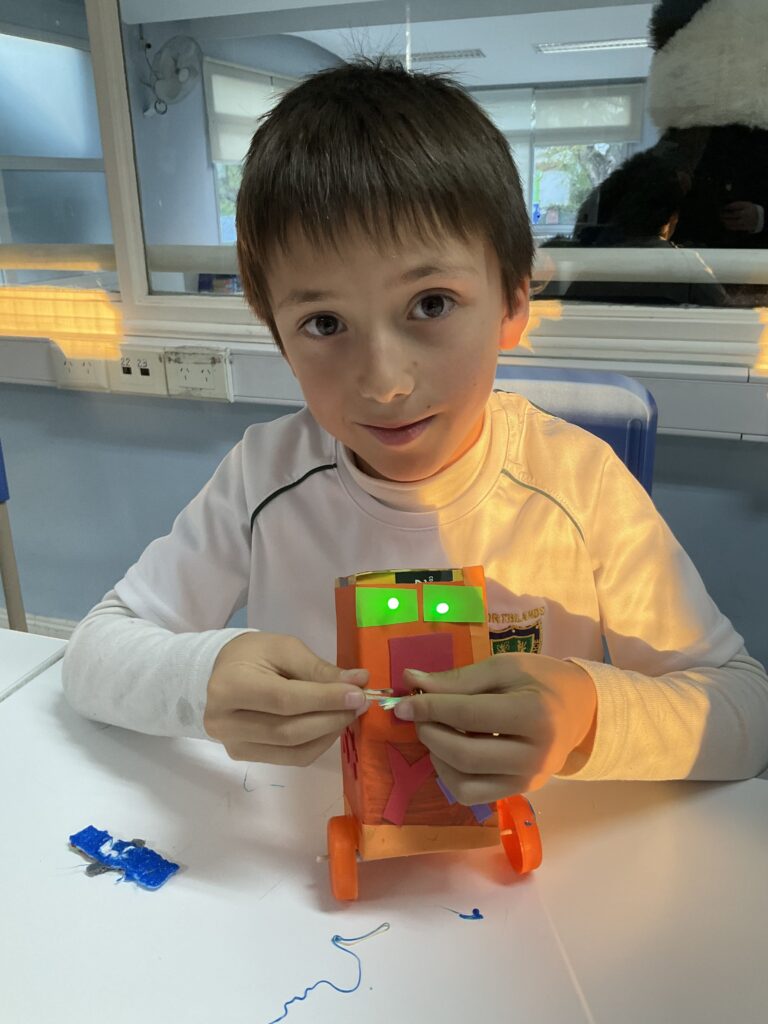
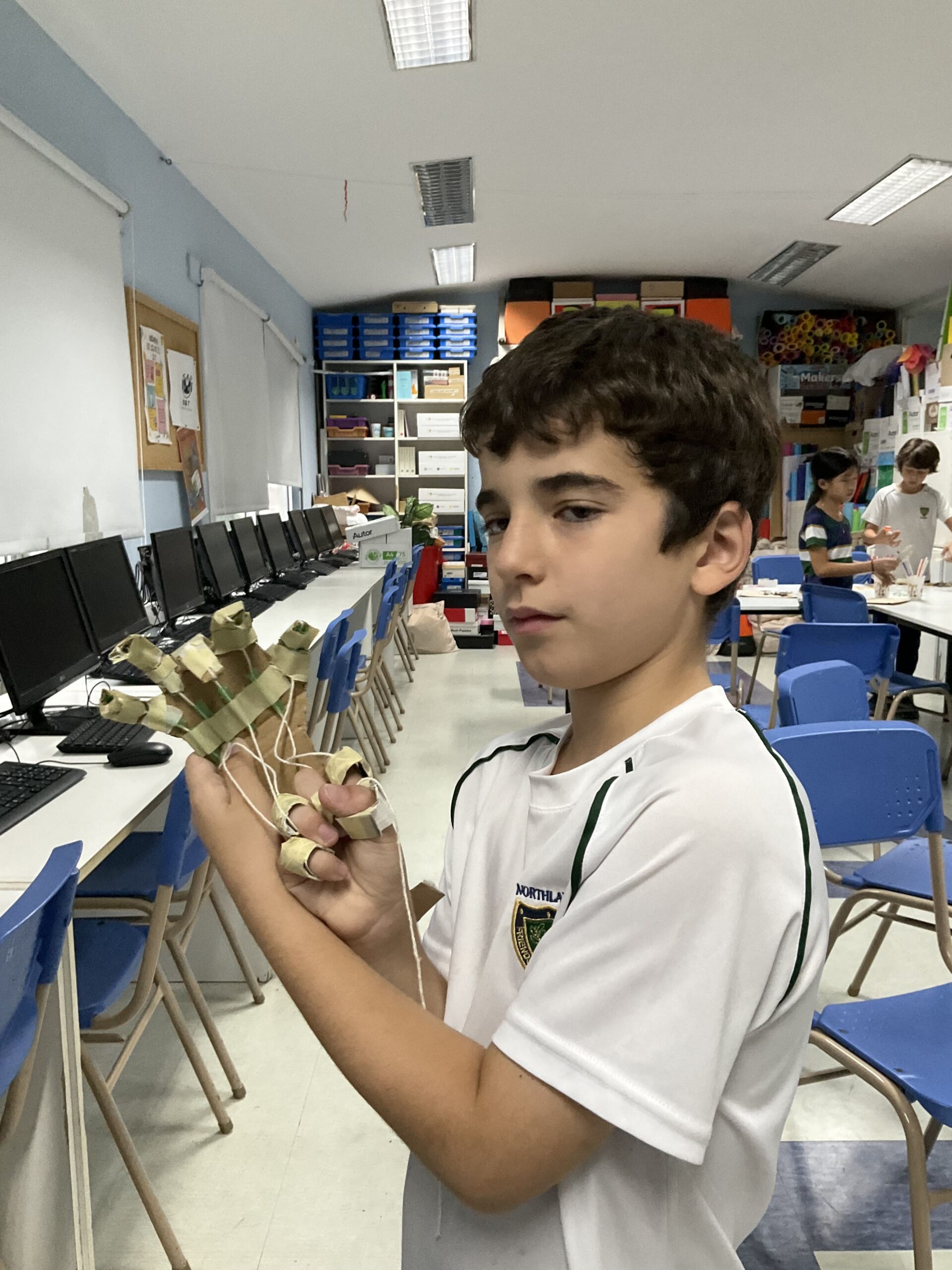
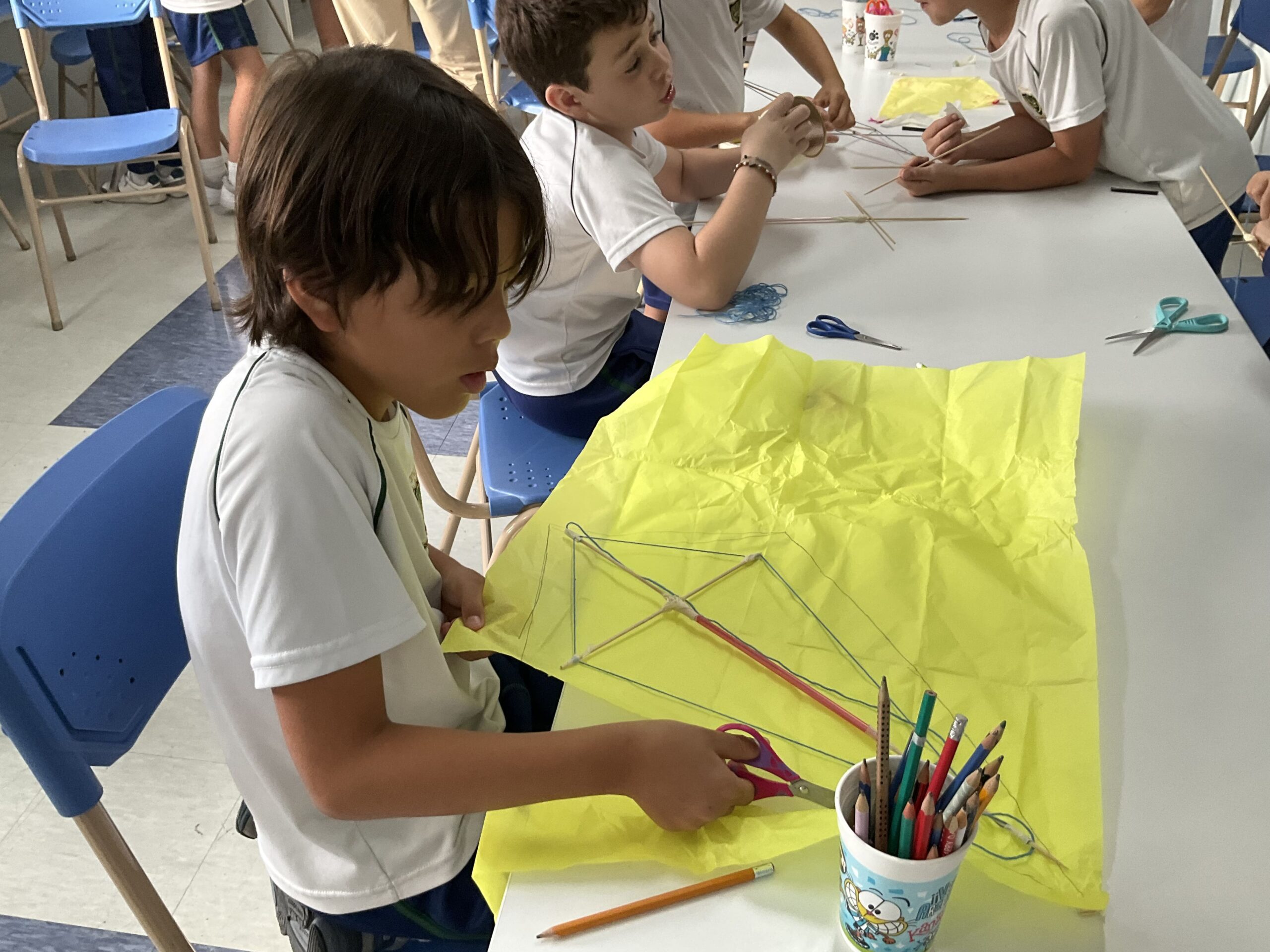
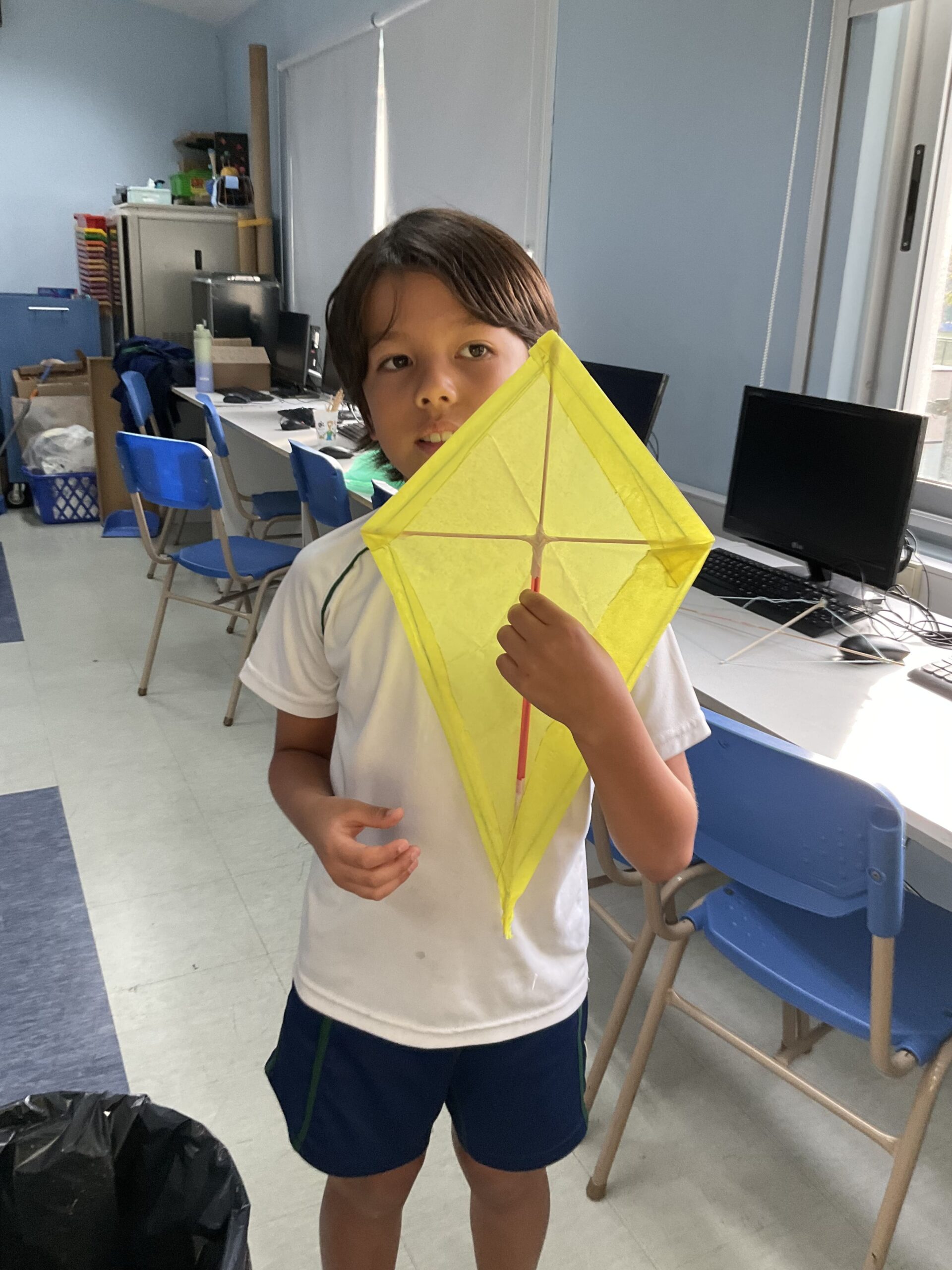
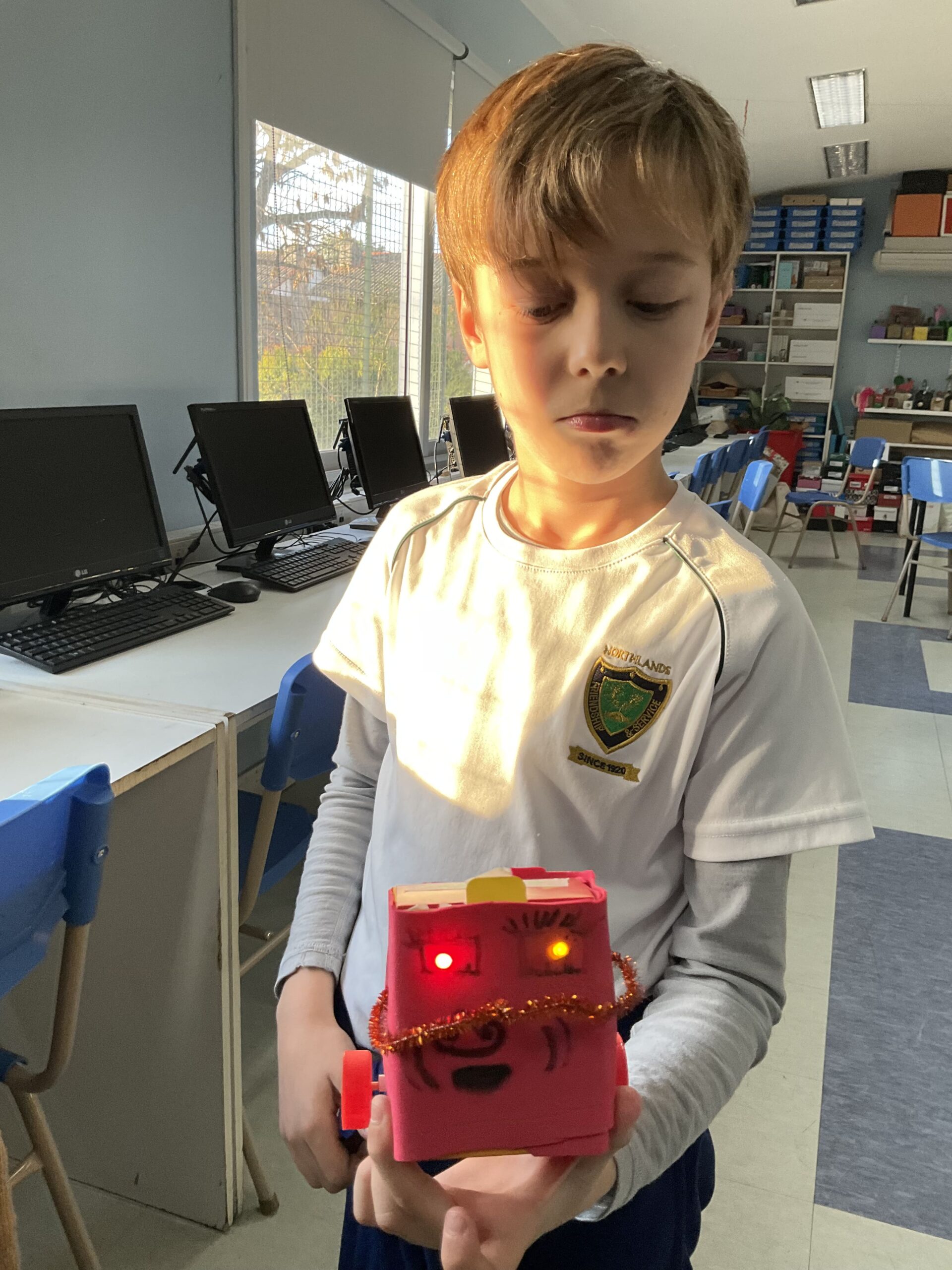
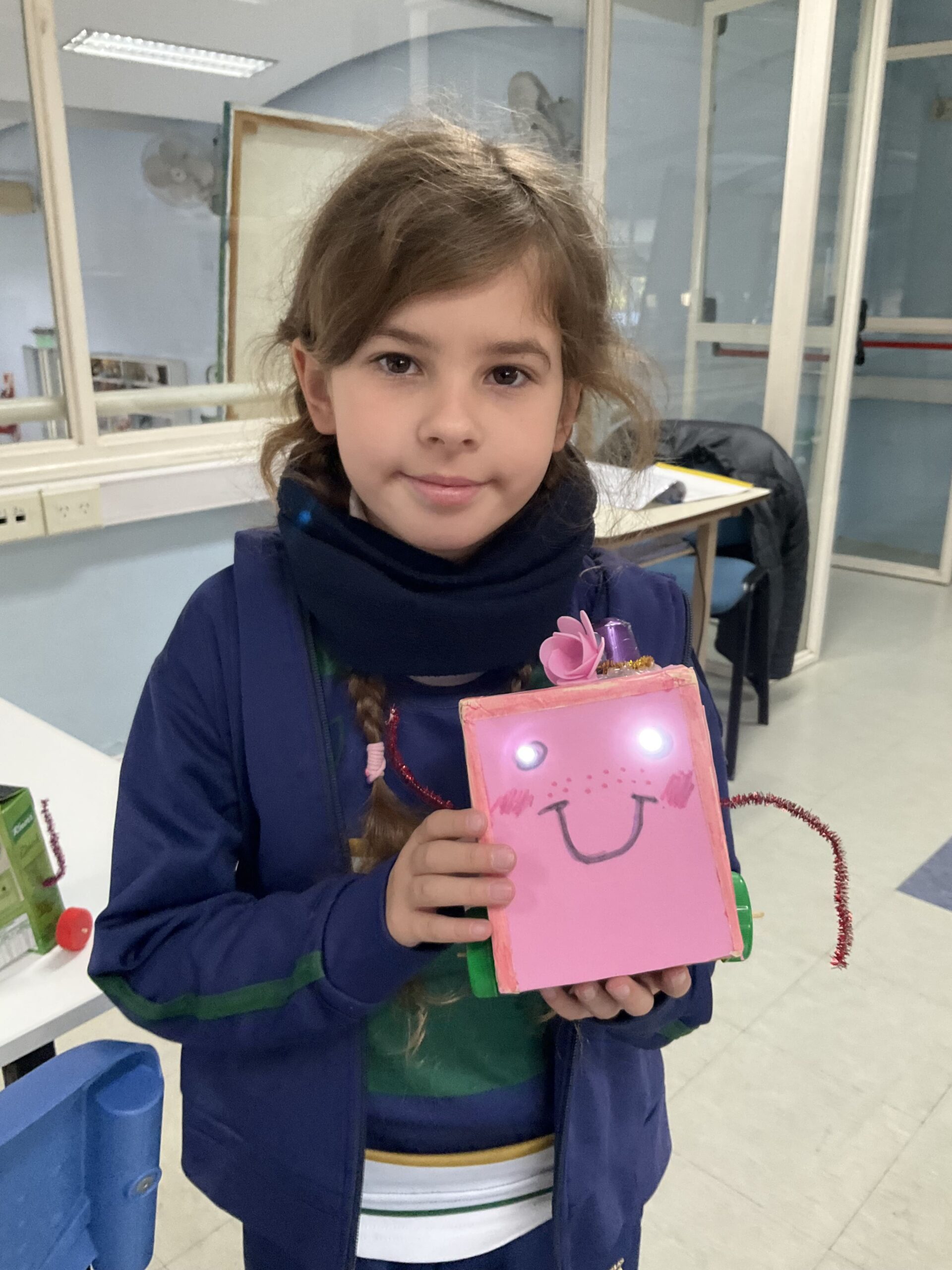
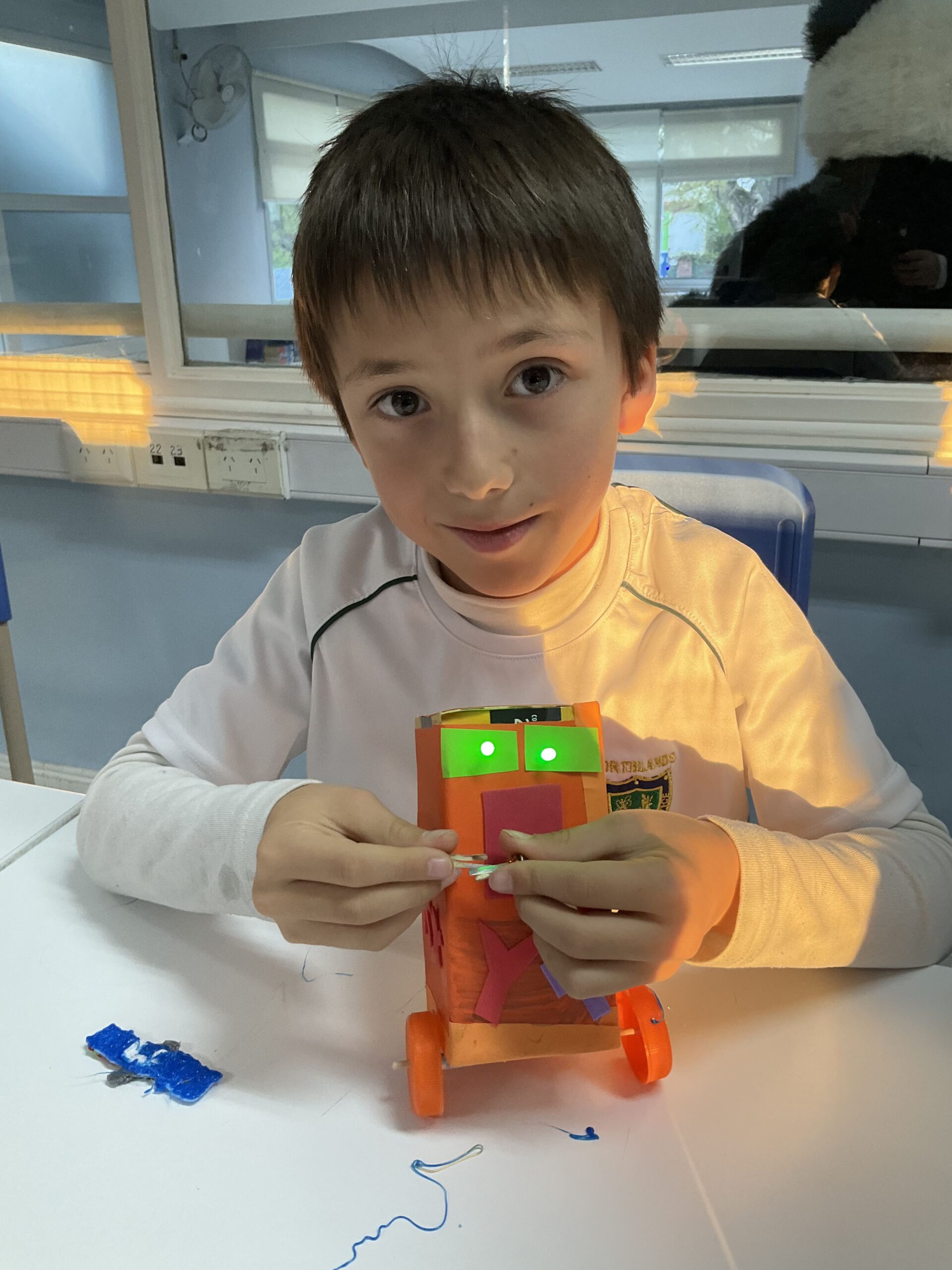
During the first part of the year, primary school students from Y3 to Y6 at the Olivos campus participated with great enthusiasm in the activities of the Northlands Plus Tinkering Studio. Through the Recreational Robotics without Programming, 3D Pens, and Maker Workshop, students explored design and technology in an environment specially designed for children aged 8 to 14.
This space aims to provide a creative and educational environment where children can investigate robotics without the pressure of assessments, fostering learning through fun, experimentation, and the development of imagination.
Projects Completed and Skills Developed
Throughout these months, students from third to sixth grade put design thinking and maker culture into practice through various activities:
- Exploration with circuits and motors: They learned basic principles of mechanics and electricity by connecting components to give movement and life to their creations.
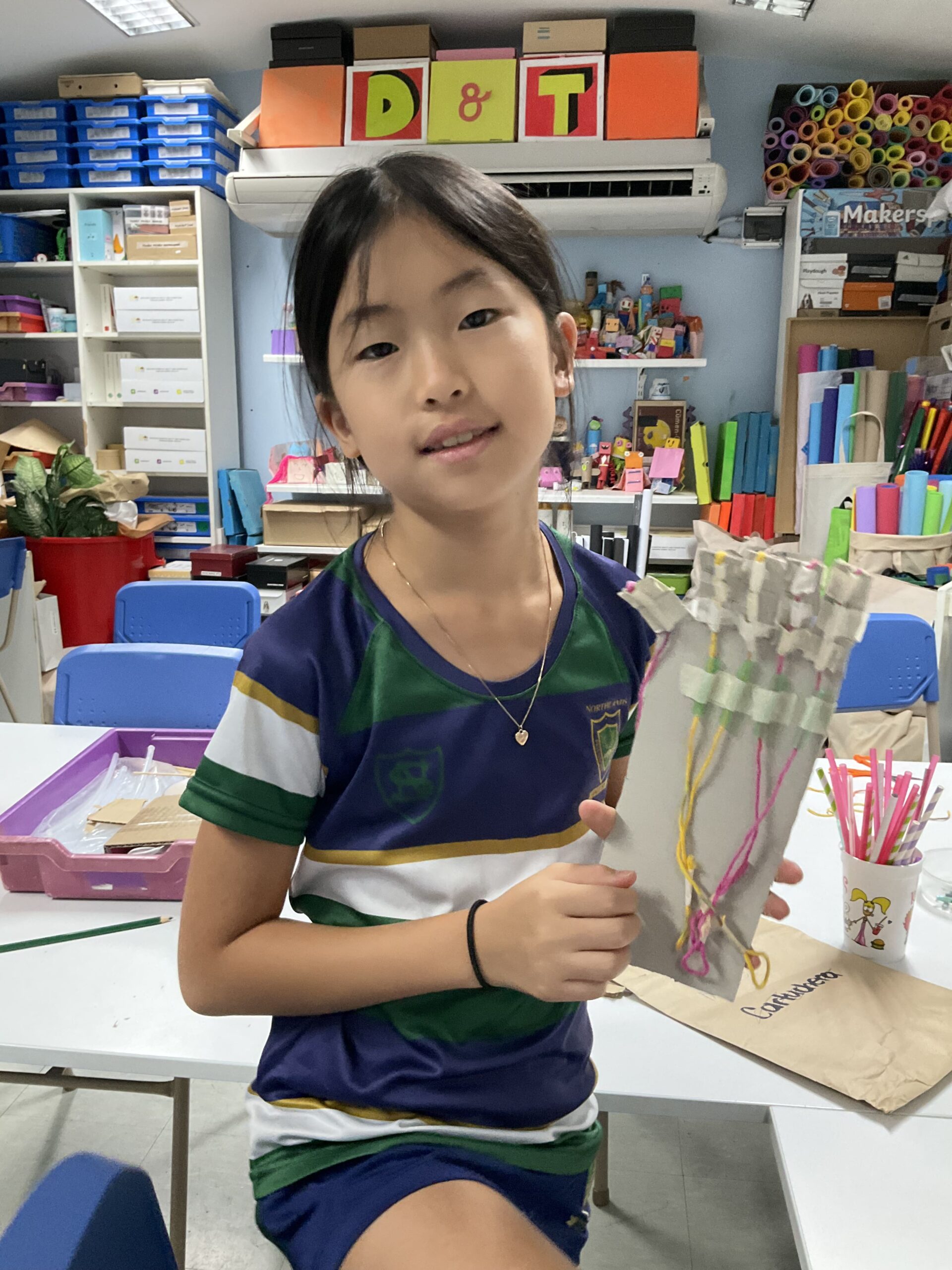
- Construction with maker materials: They developed practical skills by manipulating different elements to solve technical and creative challenges.
The value of this approach lies in the learning process: children discover how to solve problems autonomously, acquiring tools that integrate science, art, and technology in a practical way.
We would like to thank and congratulate all primary students for the commitment, curiosity, and ingenuity demonstrated in each of their projects during this first half of the school year.
Durante la primera parte del año, alumnos de primaria de Y3 a Y6 de la sede Olivos participaron con gran entusiasmo en las actividades del Tinkering Studio de Northlands Plus. A través del Taller Recreativo de Robótica sin Programación, Lápices 3D y Maker, los estudiantes exploraron el diseño y la tecnología en un entorno pensado especialmente para chicos de 8 a 14 años.
Este espacio busca proporcionar un lugar creativo y educativo donde los niños puedan investigar la robótica sin la presión de evaluaciones, fomentando el aprendizaje a través de la diversión, la experimentación y el desarrollo de la imaginación.
Proyectos realizados y habilidades desarrolladas
A lo largo de estos meses, los alumnos de tercero a sexto grado pusieron en práctica el pensamiento de diseño y la cultura maker mediante diversas actividades:
- Exploración con circuitos y motores: Aprendieron principios básicos de mecánica y electricidad al conectar componentes para dar movimiento y vida a sus creaciones.
- Construcción con materiales maker: Desarrollaron habilidades prácticas mediante la manipulación de diferentes elementos para resolver desafíos técnicos y creativos.
El valor de esta propuesta reside en el proceso de aprendizaje: los chicos descubren cómo resolver problemas de forma autónoma, adquiriendo herramientas que integran la ciencia, el arte y la tecnología de manera práctica.
Agradecemos y felicitamos a todos los alumnos de primaria por el compromiso, la curiosidad y el ingenio demostrados en cada uno de sus proyectos durante esta primera mitad del ciclo lectivo.