Starting with Y7 2027
A model that combines disciplinary, interdisciplinary and elective spaces to offer different ways of learning, deepening understanding, connecting knowledge and putting learning into practice, within a bilingual, challenging and academically rigorous environment.
Students develop a deep understanding of different disciplines while learning to connect knowledge, analyse perspectives and apply what they have learned to new and complex situations.
A Graduate Prepared for Lifelong Learning
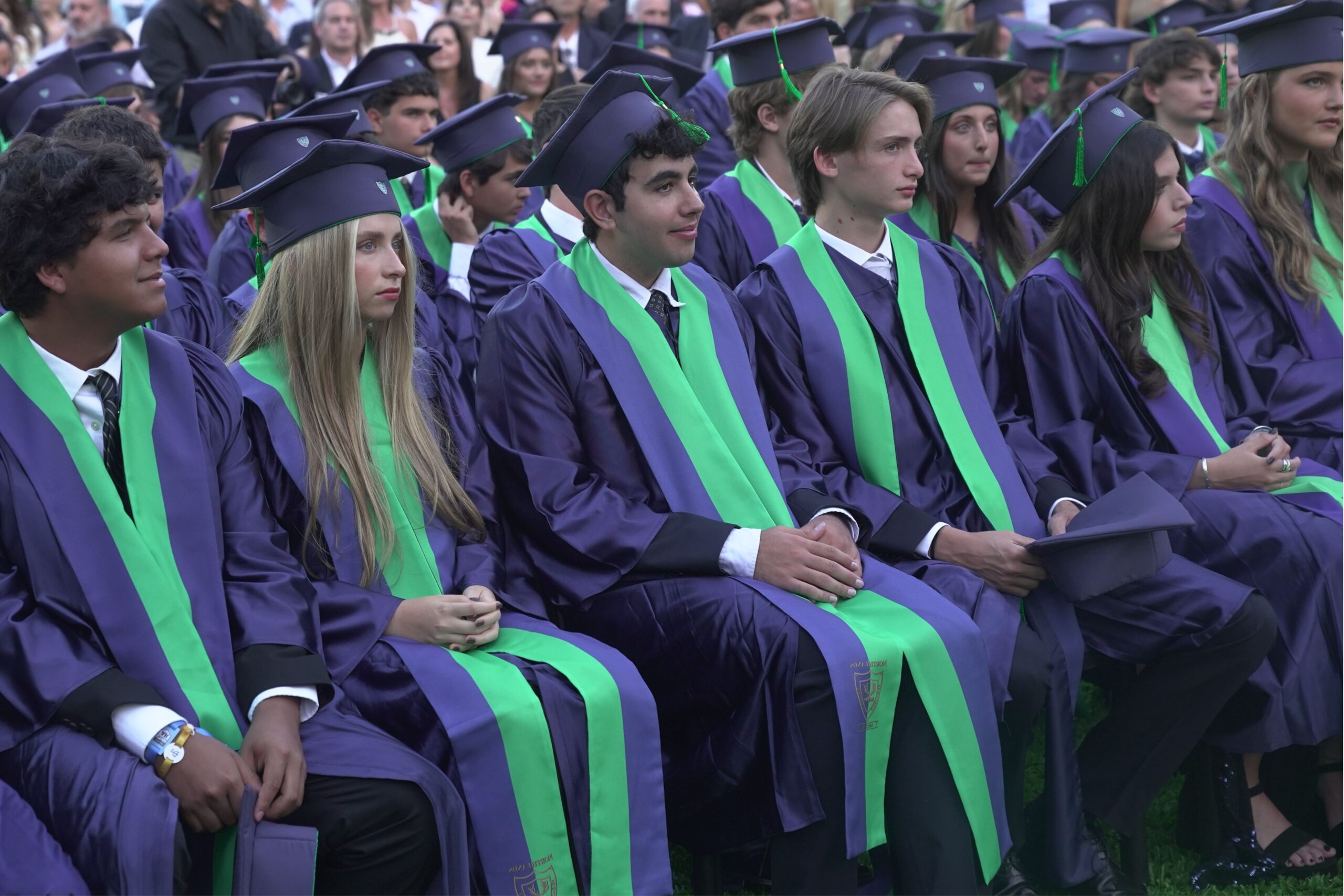
We aim to nurture curious, critical, independent and creative young people, equipped with solid knowledge and the skills they need to continue learning throughout their lives.
Frequently Asked Questions
The Pedagogical Model
How is the Secondary pedagogical model organised?
The model is organised around four types of learning spaces: Focus, Fusion, Kickstart and Learning Labs. Each space has a specific purpose and, together, they offer an experience that combines disciplinary depth, interdisciplinarity, choice and practical application.
How is the new Secondary organised?
Our Secondary is organised into two cycles: Lower Secondary (Years 7 to 9) and Upper Secondary (Years 10 to 12). Each stage supports students as they progressively develop greater autonomy, deepen their learning and take on greater opportunities for choice.
What are Focus spaces?
Focus spaces allow students to deepen their knowledge and understanding of the concepts and procedures specific to each discipline. They support the development of strong foundations, critical thinking and subject-specific skills across areas such as Mathematics, English Language and Literature, Prácticas del Lenguaje, Instrument, Design and Technology, Natural Sciences, Social Studies, Visual Arts, Theatre Arts and Physical Education.
What are Fusion spaces?
Fusion spaces are interdisciplinary learning experiences in which students integrate knowledge from different areas to address complex questions, problems and challenges. The approach enables students to connect, apply and reinterpret the learning developed in disciplinary spaces. There are three Fusion subjects: Global Perspectives, STEM (Science, Technology, Engineering & Mathematics) and Expression (Language, Arts & Communication). Each provides opportunities to approach learning from different perspectives and to make connections across different areas of knowledge.
What are Learning Labs?
Learning Labs are curricular subjects that give students the opportunity to choose from a range of options to deepen and broaden their knowledge. They are grounded in learning by doing, with an emphasis on experimentation, practical application and working through challenges.
How are Learning Labs chosen?
Students are provided with a range of options and receive guidance from the School to choose the proposals that best respond to their interests and learning goals. In this way, they progressively develop autonomy and decision-making skills regarding their own learning journey.
Each student chooses two Learning Labs per year. The proposals run for the full academic year and are designed as sequenced experiences: throughout the year, students deepen their knowledge in a particular discipline, area of interest or challenge through diverse and progressive activities.
How will the Learning Labs evolve?
The range of Learning Labs will progressively grow and diversify as new cohorts join Secondary as from 2027. This will allow for a wider variety of options and, gradually, for some Learning Labs to become multi-age spaces, where students from different year groups can share experiences, enrich their learning and learn from one another.
What is Kickstart?
Kickstart is a new learning space that takes place on some mornings at the start of the school day. It is designed to help students get ready for the day ahead and transition into their academic work through clear routines, guidance and a supportive environment that encourages them to gradually become more independent.
During Kickstart, students develop skills related to organisation and planning, time management and study strategies. The aim is to help them become increasingly confident in organising their work, managing their responsibilities and developing effective strategies for learning.
What is Flex Time?
Each student has one 80-minute Flex Time session each week, giving them dedicated time for completing and organising homework, independent study and planning their academic work, and take greater ownership of their learning.
During this time, students may complete assignments, study, work on projects, organise their tasks and receive guidance from teachers according to their needs. The aim is for them to progressively learn to manage their time, set priorities and take greater responsibility for their learning.
How are students supported in making their choices?
Students receive guidance from the School to understand the different options available and make informed decisions about their academic journey, according to their interests, strengths and future aspirations. The aim is to progressively develop their autonomy, responsibility and the ability to plan their next steps.
Languages and Certifications
Which languages are taught in Secondary?
The new model maintains the bilingual approach students currently experience, with teaching and learning continuing to take place in both English and Spanish. The distribution of subjects between the two languages remains unchanged, ensuring continuity of the bilingual model.
From Year 7 and throughout the three years of Lower Secondary (Years 7, 8 and 9), all students will take a compulsory third language, choosing between French and Portuguese. The choice is made upon entering Year 7 and continues throughout Lower Secondary, supporting continuity and deeper learning.
From the IB Diploma Programme onwards, students may choose to continue studying French or Portuguese as part of their academic journey. Those who wish to further develop their third language may continue this learning through the Diploma Programme and, depending on the subjects offered and IB requirements, prepare to sit the corresponding examination in their chosen language.
Which international examinations do students take?
In Year 9, they will sit for the IGCSE Global Perspectives which develops critical thinking and research skills, as well as the ability to understand global issues from different perspectives. In Year 10, students sit for IGCSE Literature in English, which deepens their understanding and analysis of literature while further developing their ability to express themselves in English.
From Year 11 onwards, all students follow the Bilingual IB Diploma Programme and take the corresponding IB examinations. The programme offers a high level of academic rigour while fostering autonomy, an international perspective and strong preparation for university studies.
As part of their third-language learning, students may also work towards internationally recognised language certifications, depending on the language they choose: DELF for French, and Casa do Brasil and CELPE-BRAS certifications for Portuguese.
Graduate Profile and Transition to University
What kind of graduate does the programme aim to develop?
The model seeks to develop graduates with strong academic foundations, the ability to think critically and independently, and the confidence to connect what they have learned and apply it in different contexts. The programme aims to prepare students to navigate diverse and changing contexts with confidence, creativity and responsibility, building meaningful relationships, collaborating with others and putting their abilities at the service of the community, in line with the spirit of “Friendship and Service” that inspires the School.
What is the Pre-U stage?
After sitting for their IB examinations in May of Year 12, students enter a final pre-university stage designed to support them as they complete their school journey and prepare for what comes next. It includes financial education, preparation for university life and admission processes, internships and other professional experiences, academic writing, and opportunities to reflect on their school experience and prepare for the transition ahead, while continuing to support their socio-emotional development as they approach the end of their school years.
Does the new model prepare students for universities in Argentina and abroad?
Yes. The programme is designed to provide students with a strong and well-rounded education that prepares them for a range of university options, both in Argentina and internationally. The IB Diploma, together with the development of strong academic, linguistic and personal skills, gives students a solid foundation for continuing their education in different settings.
Our university guidance and leadership programme also supports students as they begin to shape their future plans, helping them recognise their strengths and interests and identify opportunities for growth. In addition, each student is supported by a University Counsellor, who helps them make informed academic decisions, explore university options and navigate the application process for the universities they choose.
Learning Experiences and Holistic Development
How does the programme connect with extracurricular activities?
The academic programme is complemented by extracurricular activities, sports, exchanges, trips and other Outdoor Education experiences. These experiences extend learning beyond the classroom and give students opportunities to develop and apply their skills in real-world settings.
What sports are promoted?
We promote sports and physical education as an integral part of our students’ learning and development. We seek to connect mind and body and to make sport an opportunity to develop not only physical skills, but also teamwork, commitment, perseverance, discipline, leadership and personal growth.
The sports programme is organised into different seasons. All students participate in a Cross Country and Athletics season, with opportunities adapted to different levels and abilities. During the elective sports season, students can choose from options such as Hockey, Rugby, Softball, Volleyball and Swimming, according to their interests. Finally, all students participate in a Swimming season.
What trips do students take in Secondary?
Throughout Secondary School, students take part in an annual year-group trips and have access to a varied range of international trips, exchanges, sports tours and educational trips. These opportunities are connected to their interests and academic pathways.
Our Teaching Team
How do we prepare our teaching teams to implement the new model?
The transformation of our Secondary School programme is supported by a continuous teacher training and professional development plan that combines training, reflection, planning and collaborative work.
Since 2023, teachers have had two dedicated two-hour sessions each week: Staff Meetings and Training. These regular opportunities for professional development allow our teams to engage continuously with the principles of the new model, share experiences, reflect on challenges and develop their practice collaboratively.
Teachers also take part in professional development sessions, collaborative planning and communities of practice, where they share experiences, discuss challenges and develop strategies together.
The aim is to ensure that all teachers have the knowledge, skills and ongoing support they need to implement the new model, working within a shared framework and with a strong focus on each student’s learning and holistic development.
What kind of teacher profile are we looking for?
At the beginning of this project, we defined two profiles that guided the design and implementation of the programme: the Graduate Profile and the Teacher Profile. These two are closely connected and help ensure coherence between the kind of student we aim to develop and the role teachers play in supporting that development.
We look for collaborative, reflective teachers who are committed to continuous learning and capable of working through a conceptual and interdisciplinary approach. Teachers who use evidence of learning to improve their practice, manage their time effectively and support students’ individual learning journeys, promoting both academic development and the skills required for their holistic education.