Exploring Python, Machine Learning and Computational Thinking
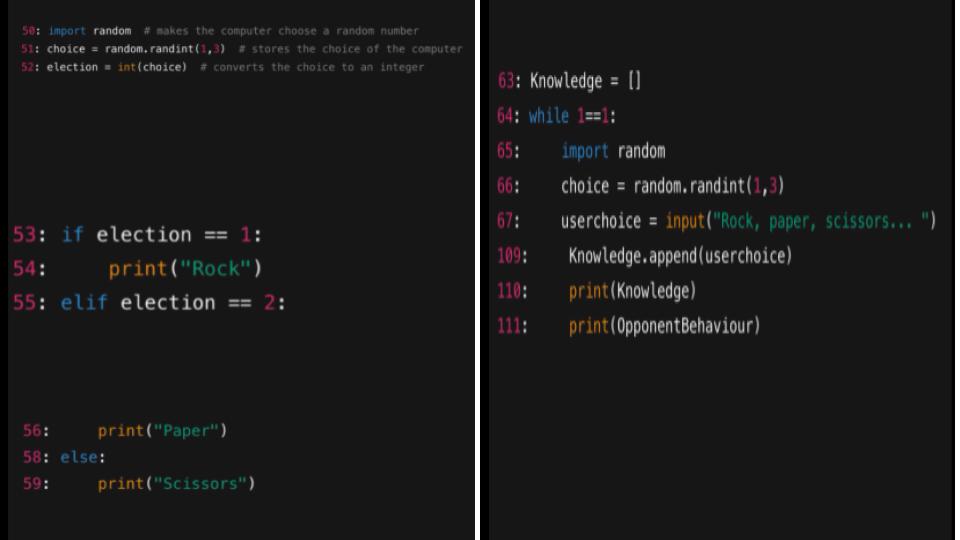
To close the semester, Year 10 students presented a video explaining the challenge they had set for themselves at the beginning of the project: to design a Python algorithm that clearly illustrates how Machine Learning works.
The chosen task was to program an artificial intelligence agent that learns from a human opponent’s moves in the classic game rock, paper, scissors. Throughout the process, students analyzed patterns, worked with data structures, ran functionality tests, and began exploring how a system can “learn” from previous experience.
Although the code was not fully completed, students demonstrated a strong understanding of the development process, clearly identifying which parts of the algorithm were working and which components still needed to be implemented. This technical and metacognitive reflection was essential for consolidating their learning and planning improvements.
The project will remain open as a challenge for next year, inviting the new cohort to continue the work, optimize the model, and further develop the intelligent agent.
An excellent example of how project-based learning fosters creativity, critical thinking, and the exploration of emerging technologies.
Explorando Python, Machine Learning y pensamiento computacional
En el cierre del cuatrimestre, los estudiantes de Year 10 presentaron un video en el que explicaron el challenge que asumieron al comenzar el proyecto: diseñar un algoritmo en Python capaz de ejemplificar, de manera sencilla y concreta, cómo funciona el Machine Learning.
El desafío elegido consistió en programar un agente de inteligencia artificial que aprende de las jugadas de un oponente humano en el clásico juego piedra, papel o tijera. A lo largo del proceso, los alumnos analizaron patrones, trabajaron con estructuras de datos, realizaron pruebas de funcionamiento y comenzaron a explorar cómo un sistema puede “aprender” a partir de la experiencia previa.
Si bien el código no llegó a completarse en todas sus funcionalidades, los estudiantes demostraron una comprensión profunda del proceso, identificando con claridad qué partes del algoritmo estaban logradas y qué elementos faltaban desarrollar. Este ejercicio de reflexión técnica y metacognitiva fue clave para consolidar aprendizajes y proyectar mejoras.
El proyecto quedará abierto como challenge para el próximo año, invitando a la nueva cohorte a continuar el trabajo, optimizar el modelo y avanzar en el desarrollo del agente inteligente.
Un excelente ejemplo de cómo el aprendizaje basado en proyectos impulsa la creatividad, el pensamiento crítico y la exploración de tecnologías emergentes.